

Arts at WSA
Create. Perform. Experiment. Express.
At West Sound Academy, the arts are an essential part of a broad and challenging education. Students learn through making, performing, interpreting, experimenting, and reflecting as they develop both artistic skills and new ways of thinking.
Like learning throughout WSA, the arts ask students to inquire, create, take risks, receive feedback, reflect, and develop their own voice. Students don't need to arrive thinking of themselves as artists. They need a willingness to participate, experiment, and see what they can create.
The Arts Belong at the Center
At WSA, the arts aren't an extra added around the edges of the academic program. They are a natural expression of the International Baccalaureate approach to learning.
Students interpret, question, communicate, collaborate, make creative choices, and reflect on their work. Across middle and upper school, they move from exploration and skill-building toward greater independence, experimentation, and artistic ownership.
Three Disciplines, Many Ways to Create
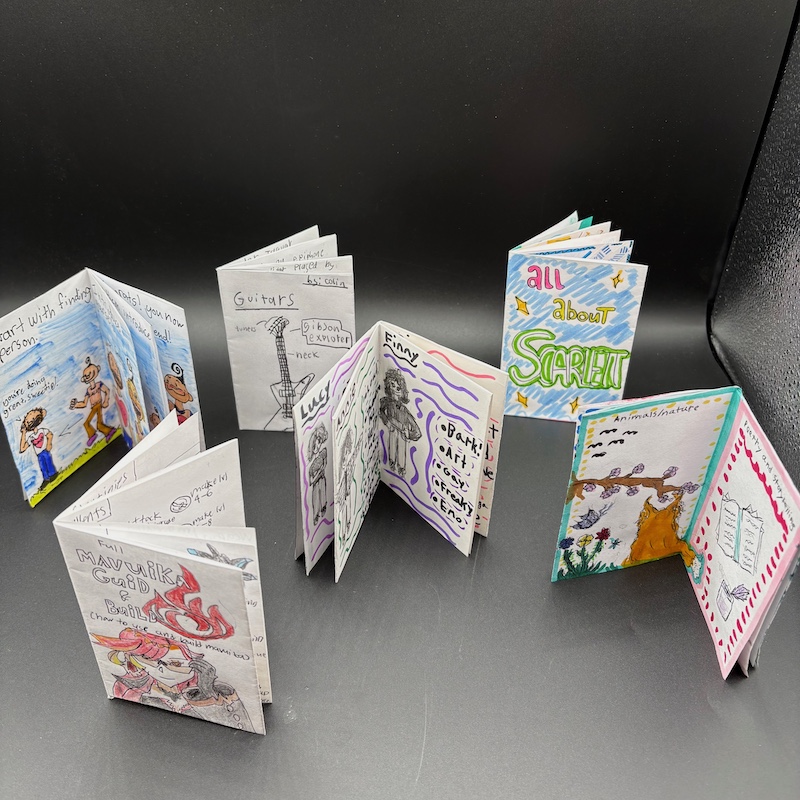
Visual Arts
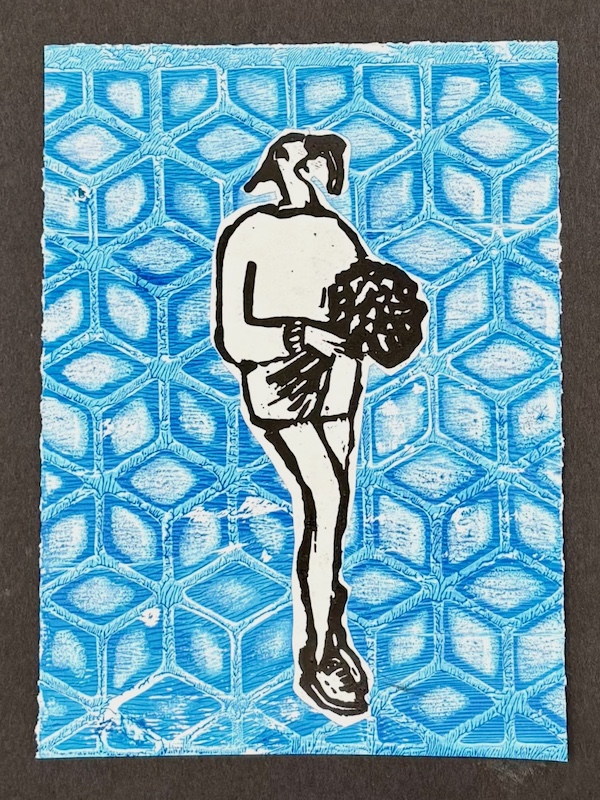
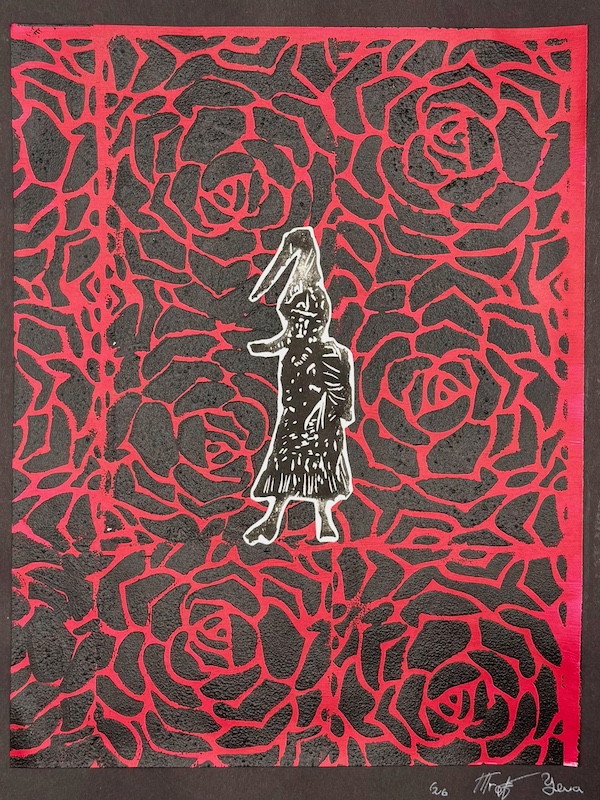
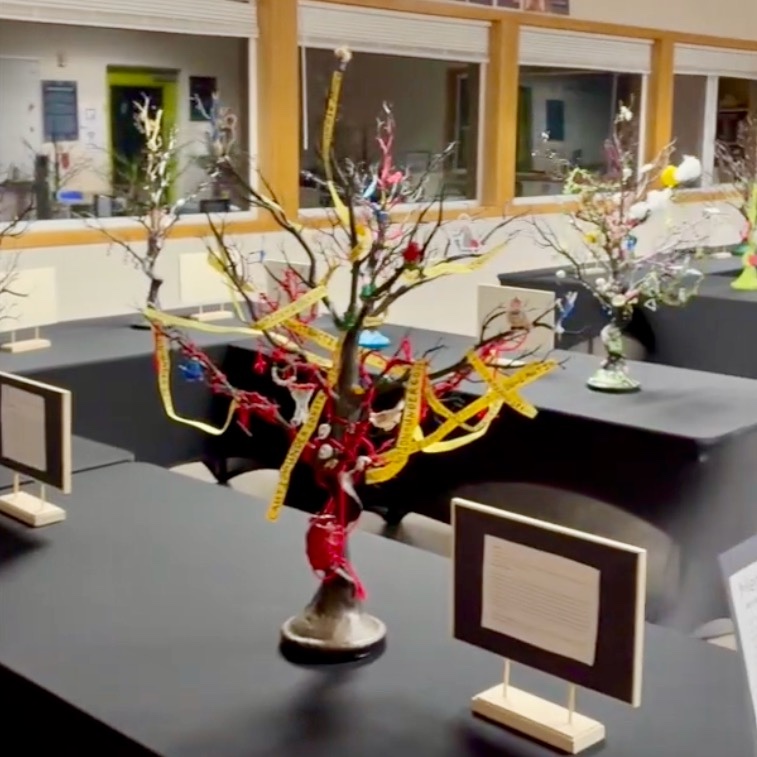
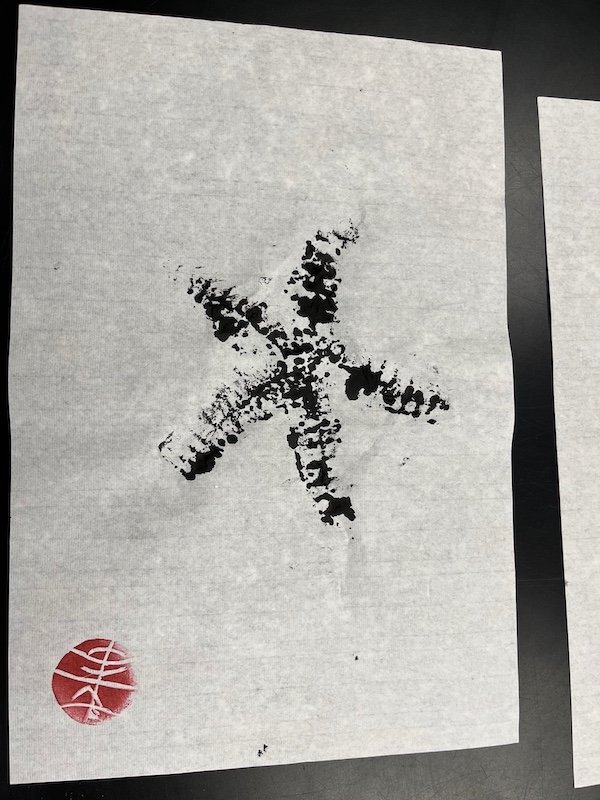
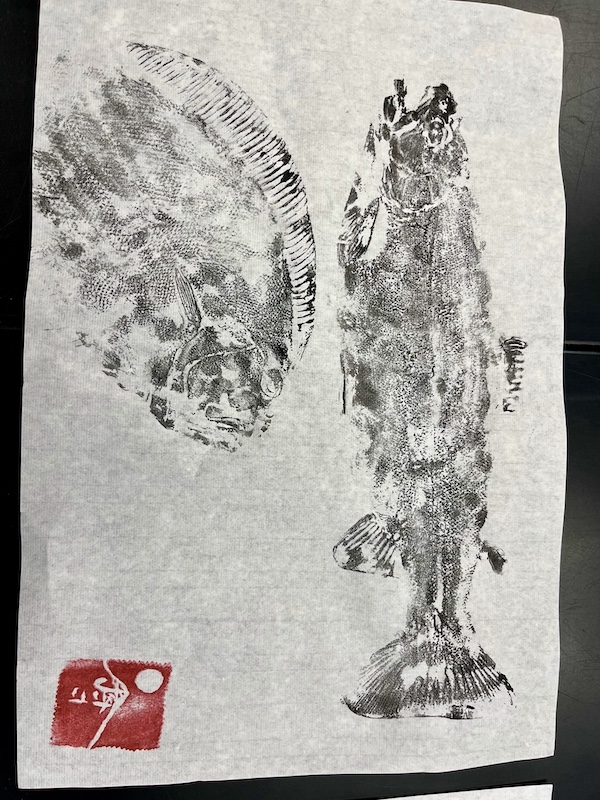
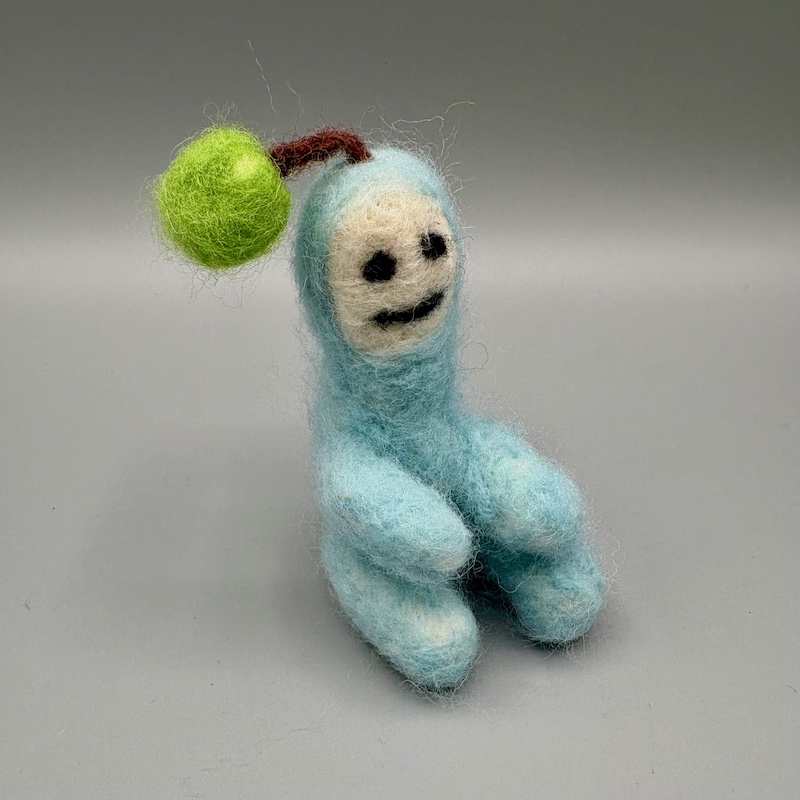
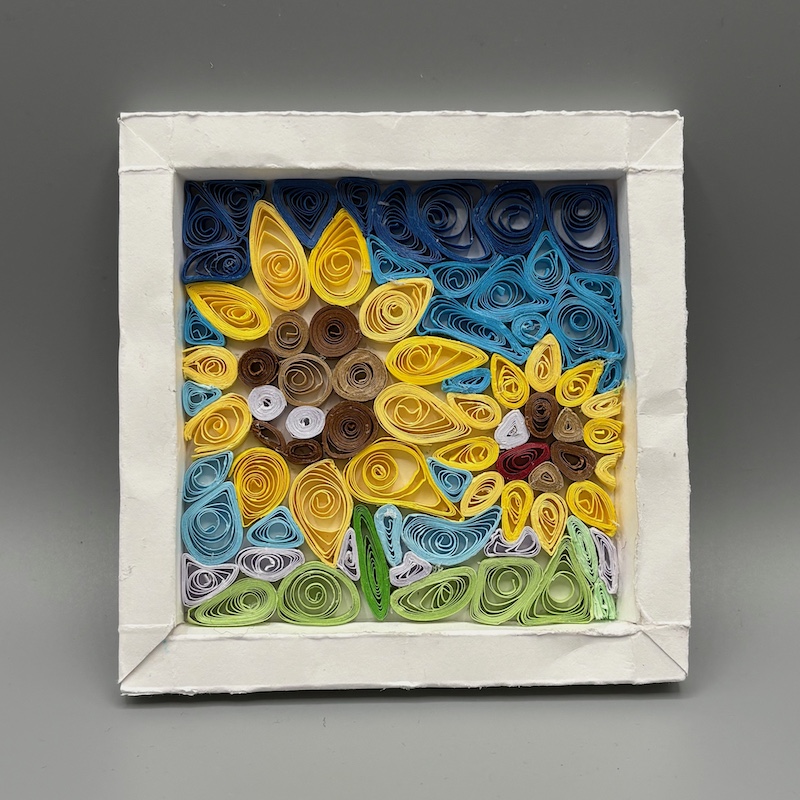
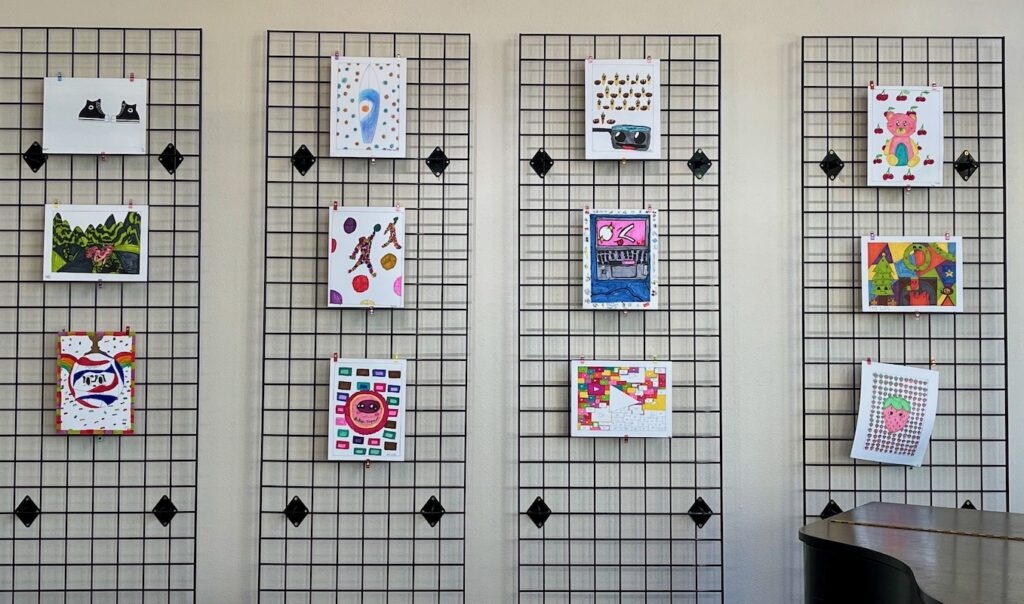
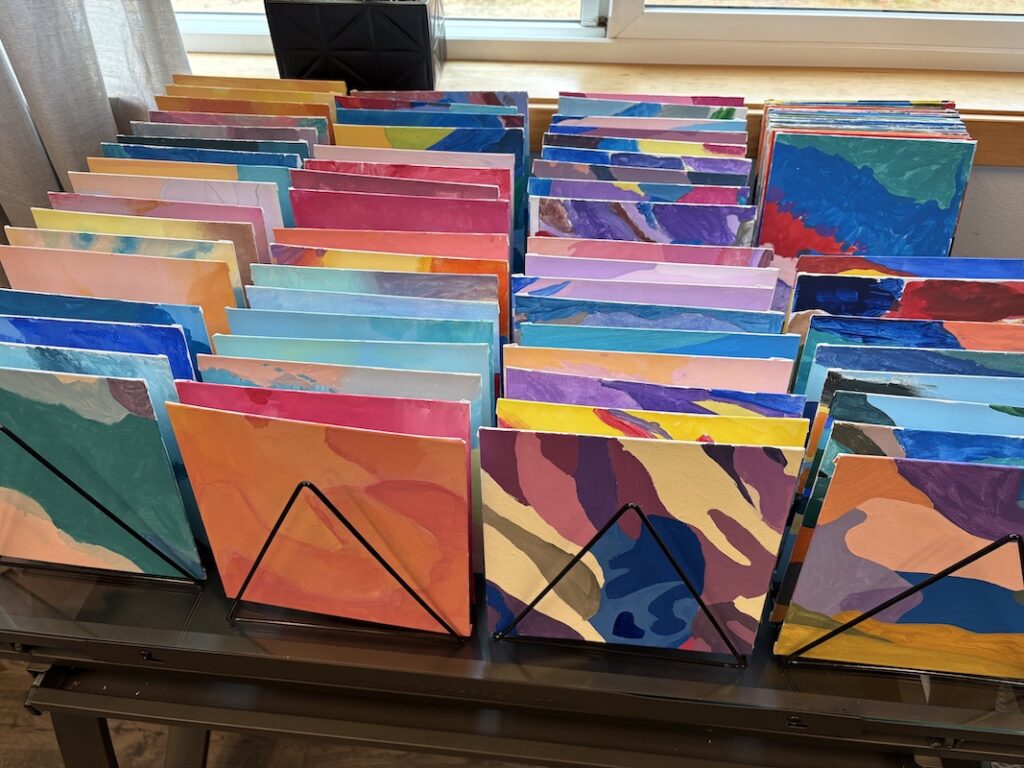
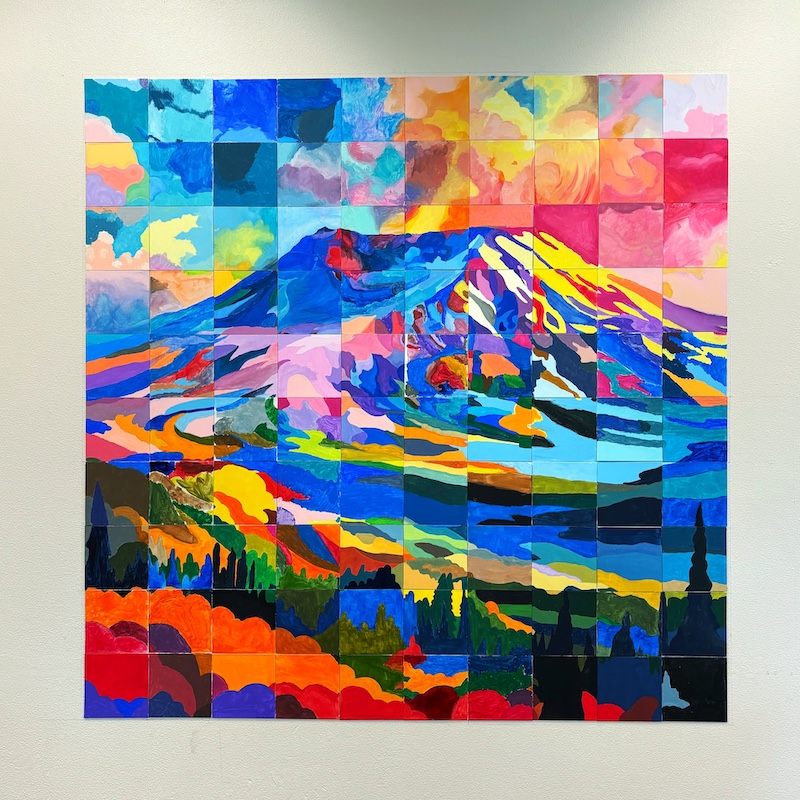
Visual arts at WSA combine artistic skill with inquiry, experimentation, interpretation, and personal expression.
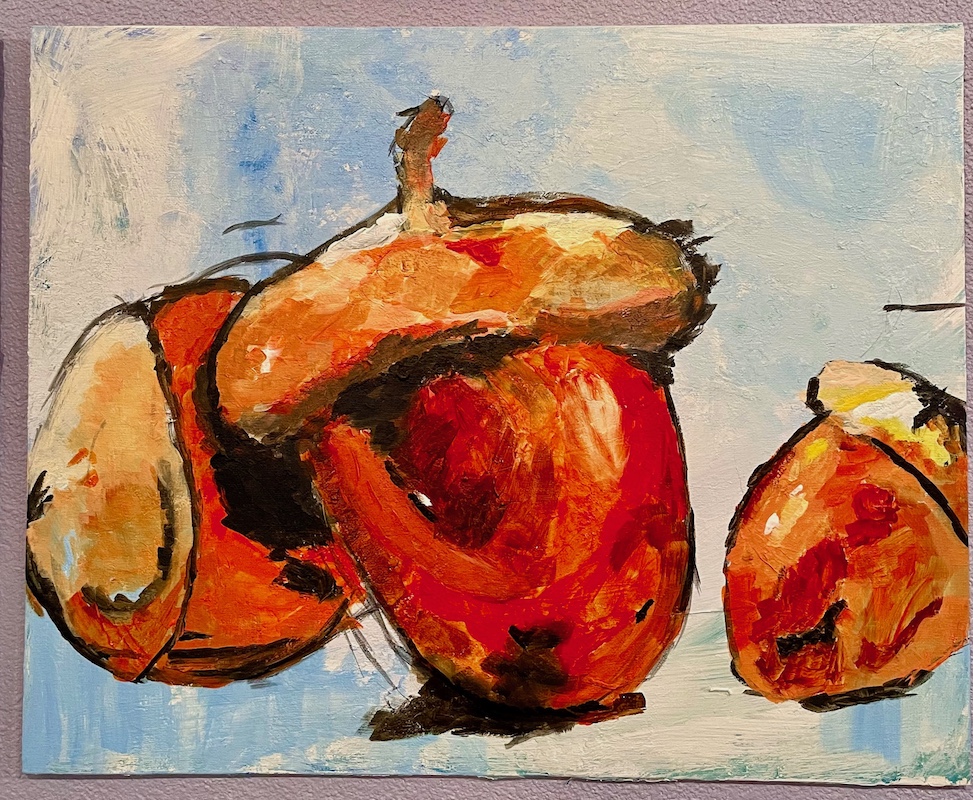
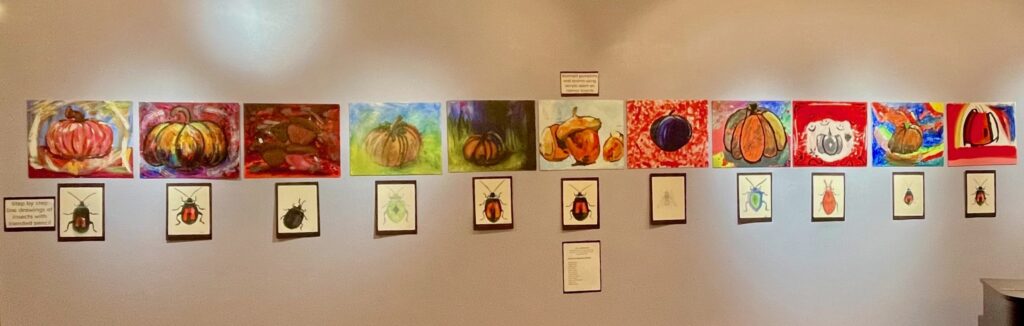
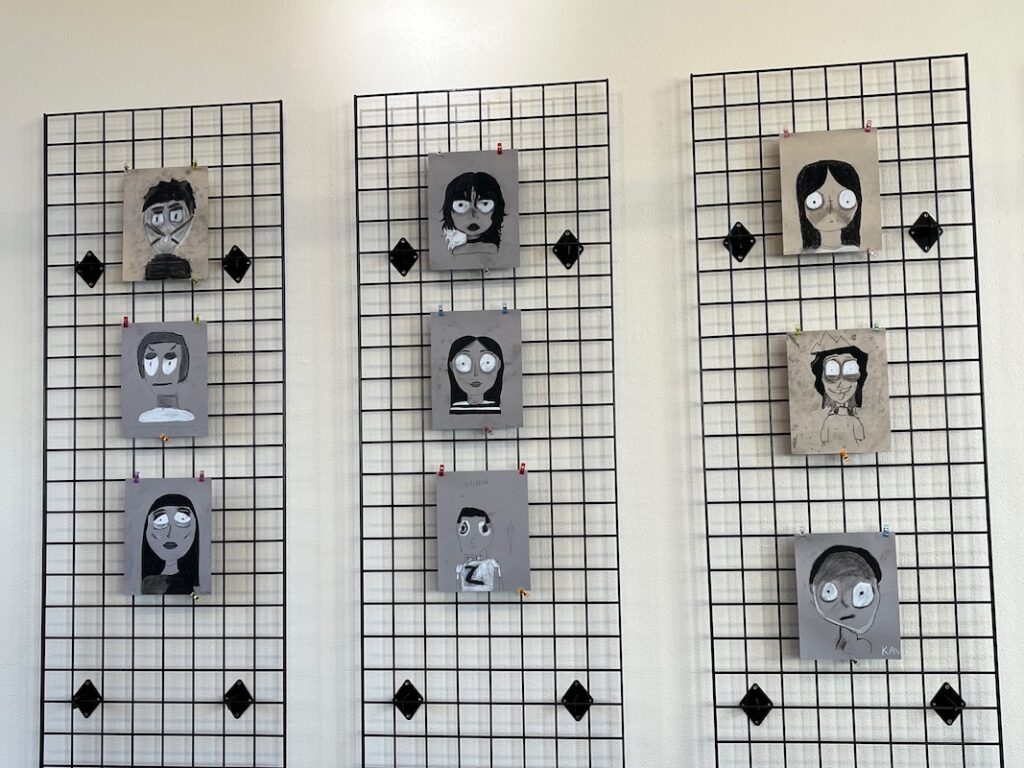
Students work with different materials, techniques, media, and artistic traditions while learning to make intentional creative choices. They study art in context, consider how artists communicate ideas and identities, experiment with different approaches, and develop work that increasingly reflects their own interests and perspectives.
As students progress, projects become more individualized. Students take greater responsibility for developing ideas, selecting approaches, responding to critique, revising work, and determining what they want their art to communicate.
Music
Listen. Collaborate. Perform.
Music at WSA gives students opportunities to develop musicianship while experiencing the creativity and connection that come from making music with others.
Students build skills through listening, practice, experimentation, composition, and performance. As they progress, they take increasing responsibility for musical choices and ensemble work, developing both individual confidence and the ability to contribute to a group.
For older students, Music Ensemble becomes increasingly student-driven, giving musicians greater ownership of repertoire, rehearsal, performance, and the direction of their work.
Theatre
Find Your Voice. Tell a Story.
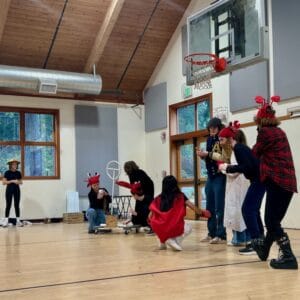
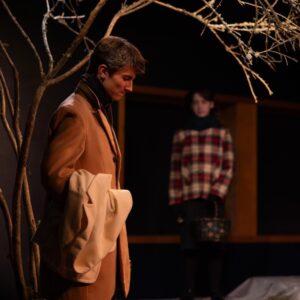
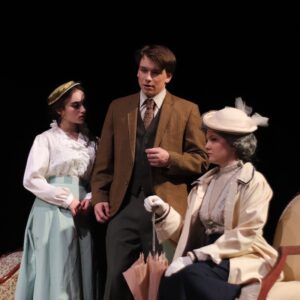
Theatre at WSA is both an individual and collaborative art form. Students develop skills in performance while exploring the many ways stories can be created and brought to life.
Depending on the course and experience, students may work in acting, devising, playwriting, directing, dramaturgy, design, adaptation, or puppetry. They encounter theatrical traditions and approaches from different cultures and periods while developing their own ideas about what theatre can do.
Theatre asks students to take creative risks, communicate with an audience, respond to one another, and build something that no individual could create alone.
An Arts Education That Grows With the Student
EXPLORE → BUILD SKILLS → EXPERIMENT → DEVELOP A VOICE → CREATE INDEPENDENTLY
In middle school, students explore different disciplines, techniques, and ways of creating while building foundational skills and confidence.
As students gain experience, they begin to make more of their own artistic choices as they experiment with approaches, respond to critique, refine their work, and discover what they want to communicate. In the upper school, arts courses provide room for sustained inquiry and individualized projects, with teachers increasingly serving as coaches and collaborators.
More Than a Finished Piece
The finished painting, concert, or performance matters. So does everything that happens before it.
Arts students learn to begin when they don't yet know the answer. They make choices, try ideas, receive critique, revise, practice, collaborate, encounter setbacks, and decide when a piece of work is ready to share.
Creative thinking — generating possibilities and approaching problems differently
Communication — expressing ideas through different forms and media
Collaboration — contributing individual strengths to shared work
Risk-taking — trying something before knowing exactly how it will turn out
Reflection — evaluating work and determining what to change
Persistence — revising, rehearsing, practicing, and trying again
These are artistic habits. They're also habits of capable learners.
Everyone Has a Place in the Arts
Some students arrive at WSA already passionate about an art form. Others discover one here.
A student might step onto a stage for the first time, pick up an unfamiliar instrument, discover photography, learn a new artistic technique, work behind the scenes on a production, or find that an elective becomes an unexpected favorite part of the school day.
What matters isn't arriving with expertise. It's being willing to participate, experiment, learn from others, and develop your own creative voice.
See What Our Students Create