

Service Learning
Learning Through Action
Some of the most important learning happens when students take what they know beyond the classroom.
At West Sound Academy, service learning gives students opportunities to engage with their communities, explore issues that matter to them, develop ideas, work with others, and turn learning into action.
The experience evolves as students grow. Younger students begin with greater guidance and shared experiences. Over time, students take increasing responsibility for identifying interests and needs, designing projects, making decisions, and reflecting on the impact of their work.
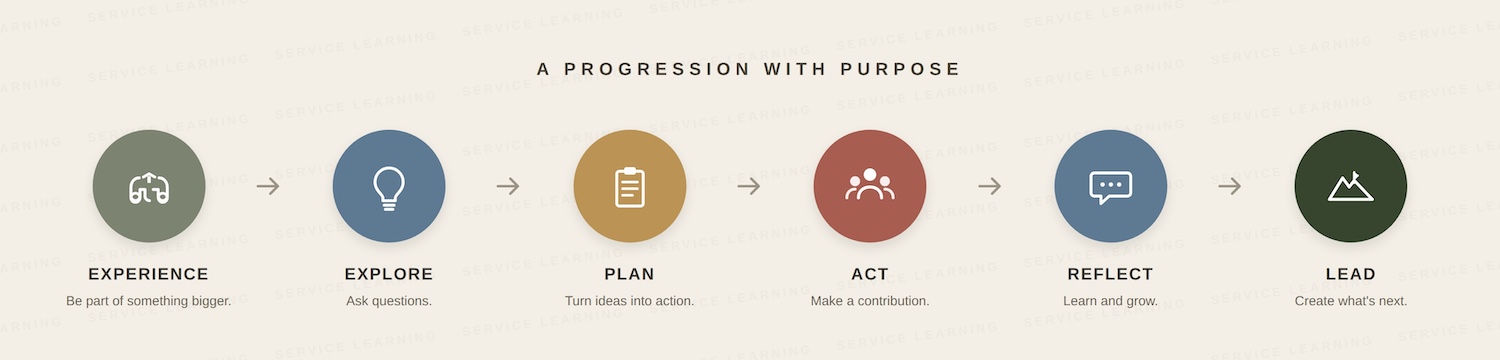
From Guided Experiences to Student-Led Action
Grades 6–7
Explore & Participate
Middle school students participate in guided experiences that introduce them to service, community engagement, and learning beyond the classroom.
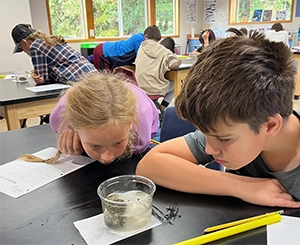
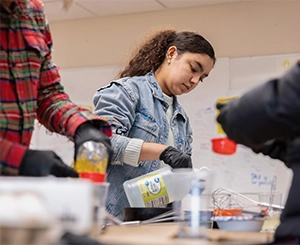
Working alongside classmates and teachers, students explore their community and contribute to shared projects. They begin asking: What does our community need? How can I contribute? What can I learn from others?
At this stage, the emphasis is on participation, curiosity, collaboration, and reflection, building a foundation for increasingly independent work in the years ahead.
Grade 8
Prepare & Practice
In Grade 8, students continue participating in guided experiences while developing the skills to design and carry out projects of their own.
They practice identifying needs and opportunities, developing ideas, planning manageable projects, and working with others. Along the way, they reflect on what they learn and how their contributions can make a difference.
At this stage, the emphasis is on preparation, planning, and practice, building confidence for the greater independence of the Community Project in Grade 9.
Grade 9
Community Project
In Grade 9, students take greater ownership through the Community Project, an extended service-learning experience in which they investigate a need or opportunity and develop a response.
Through inquiry, planning, action, and reflection, students strengthen their research, communication, organization, collaboration, and problem-solving skills while putting their ideas into practice.
The project shifts students from primarily participating in experiences created by others to helping determine how they can contribute, taking greater responsibility for their decisions, actions, and learning.
Grade 10
Personal Project
The Personal Project gives Grade 10 students an opportunity to pursue a substantial independent project inspired by their own interests.
Students establish a goal, investigate a topic, develop a plan, create an outcome, and reflect on both their process and their learning. Projects can take many forms, allowing students to explore something they genuinely want to understand, make, develop, or accomplish.
While the Personal Project is broader than service alone, it represents an important step in the progression toward independence: students learn to manage a sustained project and take responsibility for moving an idea from possibility to completion.
Grades 11-12
Creativity, Activity, Service
In the IB Diploma Programme, students continue this progression through Creativity, Activity, Service (CAS).
CAS challenges students to pursue experiences beyond their academic courses through creative endeavors, physical activity, and service. Students make choices based on their interests, set goals, take action, reflect on their experiences, and consider what they are learning about themselves and others.
By this stage, students are expected to take significant ownership of their experiences. The adults around them provide guidance, but students increasingly determine where they want to invest their time, how they want to contribute, and what they hope to learn from the experience.
More Than Volunteer Hours
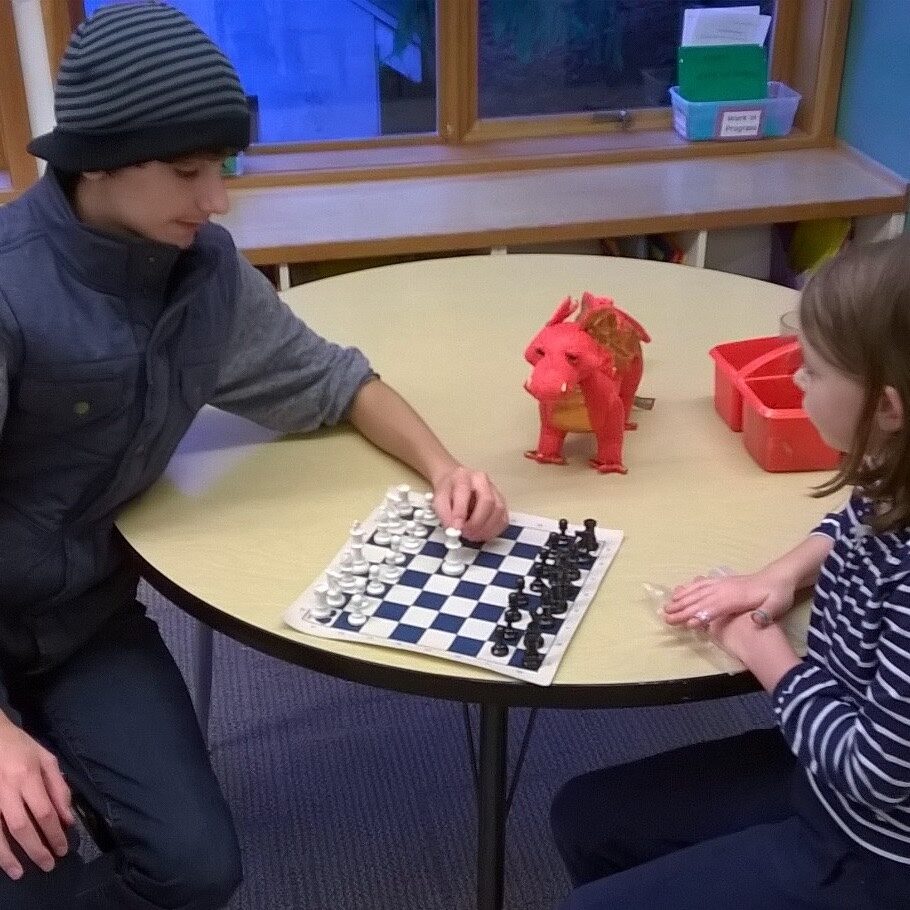
Service learning at WSA isn't about accumulating a required number of hours.
We want students to understand that contributing to a community begins with listening, learning, and understanding before acting. Effective service requires students to consider what is actually needed, whose perspectives matter, how their own choices affect others, and what they can learn through the process.
Reflection is an important part of that work. Students are encouraged to consider not only what did I do? but also:
- What did I learn?
- Whose perspectives did I encounter?
- What worked, and what didn't?
- How did my thinking change?
- What responsibility do I have moving forward?
The goal is not simply to complete a project. It is to develop young people who see themselves as capable of contributing thoughtfully to the communities around them.
The Skills Behind the Action
Service learning gives students a setting in which skills developed across their WSA education become useful in the real world.
Students learn to:
- Ask questions and investigate before acting
- Listen to perspectives beyond their own
- Communicate with people of different ages and backgrounds
- Collaborate and share responsibility
- Plan projects and manage time
- Adapt when plans don't work as expected
- Take initiative and follow through
- Reflect on their choices and their impact
These are skills students can carry into college, work, community life, and whatever they choose to pursue next.
Learning to Make a Difference
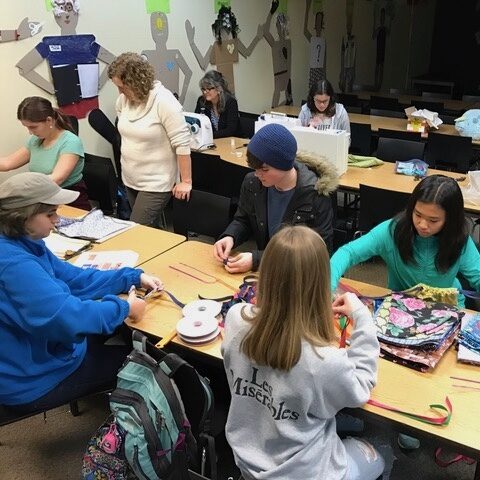
A sixth grader participating in a teacher-guided experience and a senior designing a CAS service experience are at very different stages of development. That's intentional.
Across the years, students receive less direction and assume more responsibility. They learn to move from participating to planning, from following to initiating, and from asking “What am I supposed to do?” toward asking “What can I contribute?”
That's the larger purpose of service learning at WSA: helping students discover that their ideas, choices, skills, and actions can matter beyond themselves.
Celebrating Learning and Impact
Students need opportunities not only to do this work, but also to share what they have learned.
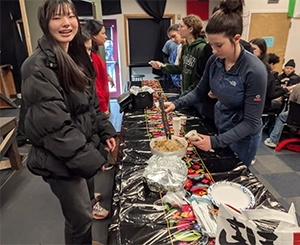
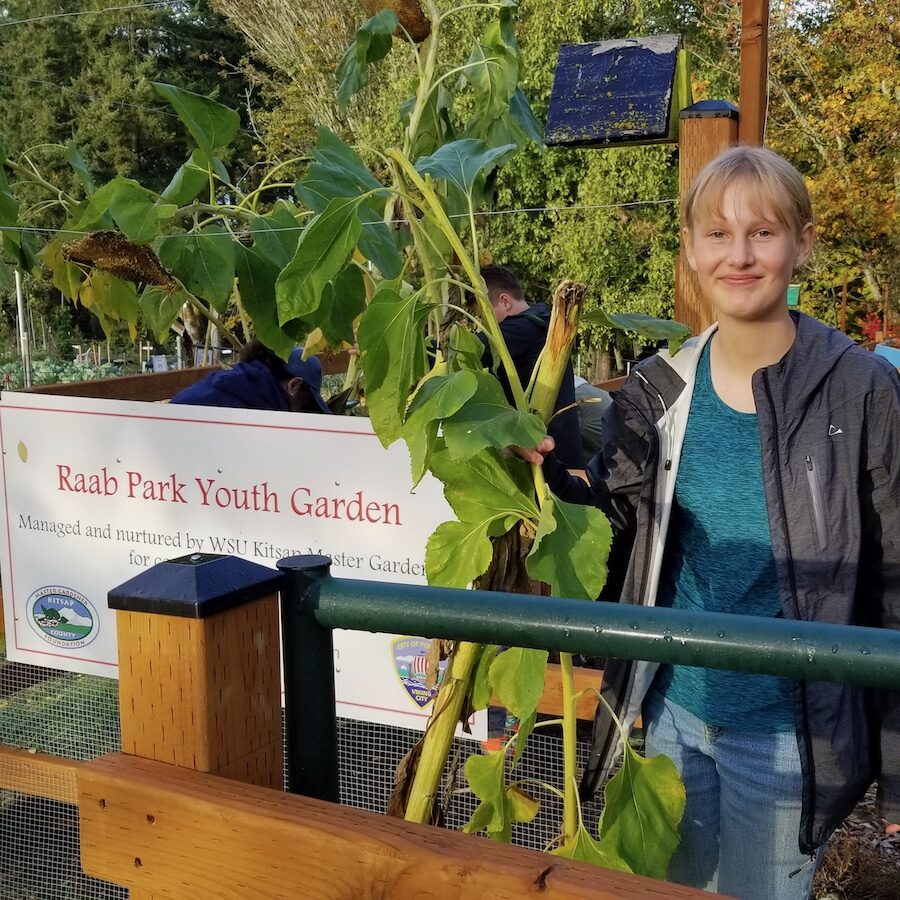
The Action Impact Showcase brings the WSA community together to recognize student projects, experiences, and contributions. Students share their work, explain the thinking and learning behind it, reflect on challenges and successes, and learn from the work of others.
The emphasis isn't only on the finished product or outcome. It is also on the questions students asked, the choices they made, the problems they encountered, and how they grew through the experience.